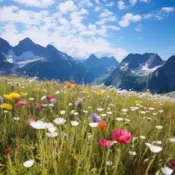
Valley of Flowers: Where Nature Paints Its Masterpiece
The Valley of Flowers is one of India’s oldest known trekking routes, located in Chamoli, Uttarakhand. Famous for its meadows of endemic alpine flowers and rich biodiversity, it is a dream destination for nature lovers. This stunning valley, nestled in the Himalayas, enchants visitors with its unmatched natural beauty and serene landscapes.
Blooming Paradise
History & Significance
The Valley of Flowers was discovered in 1931 by British mountaineers Frank Smythe, Eric Shipton, and R.L. Holdsworth during an expedition to Mount Kamet. They were mesmerized by the valley’s vibrant floral carpet and later documented their discovery, bringing global attention to this hidden gem.
Declared a National Park in 1939 by the British government, it gained worldwide recognition in 1982 as a UNESCO World Heritage Site for its unique floral diversity and pristine ecosystem. Today, it is protected under strict conservation measures. Visitors are required to obtain permits from the forest department to enter the valley, ensuring preservation and sustainable tourism.
Location & Accessibility
The valley lies in the Pushpawati River Valley, an upper expanse of the Bhyundar Ganga near Joshimath in the Garhwal region. The trek to the Valley of Flowers covers about 17 km.
- Nearest Town: Joshimath (well connected to Haridwar and Dehradun, approx. 270 km away).
- From Delhi: Take a train to Haridwar, then a bus/taxi to Govindghat via Rishikesh. Distance: ~500 km.
- Base Point: Govindghat, around 24 km from Badrinath.
- Options to Ghangaria (the base camp): Trek, hire a mule/porter, or take a helicopter ride.
From Govindghat to Ghangaria, you’ll find yourself surrounded by wild roses, strawberries, and the fragrance of countless flowers. Entry permits to the Valley can be obtained at Ghangaria and are valid for three days. Trekkers are allowed entry only during daytime.
The Floral Marvel
During the monsoon season (July–September), the valley bursts into color, with over 650 species of flowering plants blooming in its meadows. Some rare species include:
- Brahma Kamal (King of Himalayan Flowers)
- Blue Himalayan Poppy
- Meadow Geranium, Snake Foil, Hooked Stick Seed, Himalayan Rose, and River Anemone
The valley also supports endangered wildlife such as the Asiatic black bear, snow leopard, musk deer, red fox, and blue sheep. Bird enthusiasts can spot the Himalayan monal pheasant and other high-altitude birds.
Planning Your Floral Adventure
Best Time to Visit
The valley opens in June, but the peak blooming season is July to September.
- July: Flowers begin to bloom, greenery is lush, and the valley is less crowded.
- August: Peak season with vibrant colors. Brahma Kamal blooms near Hemkund Sahib. Weekends are crowded, weekdays are calmer.
- September: Fewer flowers but clearer skies, stunning mountain views, and many pilgrims visiting Hemkund Sahib.
Trek Difficulty
The Valley of Flowers trek is of moderate difficulty. Covering about 50–55 km in 4 days, it requires basic fitness. Regular walking, hiking, or cardio exercises will prepare you well. With determination and preparation, even first-time trekkers can complete it comfortably.
Trek Itinerary
Day 1: Govindghat to Ghangaria
Start early and trek through waterfalls, streams, and scenic landscapes. The 13 km trek takes 6–7 hours. Overnight stay at Ghangaria.
Day 2: Ghangaria to Valley of Flowers (Back to Ghangaria)
A 3 km trek takes you to the valley. Spend the day walking among flowers like Himalayan Rose, Dog Flower, and River Anemone. Return to Ghangaria by evening.
Day 3: Ghangaria to Hemkund Sahib (Back to Ghangaria)
Trek 6 km uphill to the serene Hemkund Sahib Gurudwara. Enjoy the peaceful lake, rare Brahma Kamal, and visit the nearby Lakshman Mandir. Return to Ghangaria.
Day 4: Ghangaria to Govindghat
Trek back while enjoying scenic views of Alaknanda River and Neelkanth Peak.
Things to Carry
- Thermal jackets, quick-dry trekking pants and shirts
- Waterproof trekking shoes
- Sunglasses, sunscreen (SPF 50+)
- Raincoat or poncho
- First aid kit & personal medicines
- Trekking pole and gloves
- Energy bars, dry fruits, and water bottles
- GPS device or offline maps
Food & Supplies
Food options are available in Govindghat and Ghangaria, including local dhabas serving dal, rice, roti, sabzi, and tea. Guesthouses also provide simple vegetarian meals. Carry snacks and energy bars for convenience during the trek.
Safety & Responsible Tourism
The Valley of Flowers is an ecologically fragile zone. To ensure its preservation:
- Minimize plastic and waste generation.
- Stay on designated trails.
- Avoid disturbing wildlife.
- Respect local traditions and culture.
- Support eco-friendly homestays and local businesses.
Unique Facts
- The Brahma Kamal, considered sacred in Hindu culture, blooms here.
- The Blue Himalayan Poppy is one of the rarest flowers in the world.
- Locals believe the valley is a reflection of the celestial paradise mentioned in Hindu mythology.
- Declared a UNESCO World Heritage Site in 1982 for its unique biodiversity.
Hidden Gems
- Ratban Parao: A viewpoint offering panoramic shots of the valley.
- Pushpawati River: With crystal-clear waters running through the valley.
- Bhim Pul: A natural stone bridge offering dramatic views.
- Ghangaria Waterfall: A serene spot at the base camp.
- Chameli Devi Meadow: A secluded stretch filled with wildflowers.
Conclusion
The Valley of Flowers is a paradise for nature lovers, botanists, photographers, and trekkers. Declared a UNESCO World Heritage Site, it showcases nature at its finest with colorful blooms, wildlife, and cultural significance. Whether you’re witnessing the rare Brahma Kamal, trekking to Hemkund Sahib, or simply soaking in the views, this valley promises a soulful experience.
This is not just a destination—it is an unforgettable journey into nature’s most exquisite masterpiece.
Get ready to embark on an unforgettable adventure. Book your guided Valley of Flowers Trek now and let expert guides take you through its hidden meadows, secret viewpoints, and breathtaking landscapes. Step into paradise and experience the magic of Uttarakhand’s most cherished wonder.
FAQ's
Both options are available. Desh Destinations will confirm based on your preference and group size.
Yes, lunch, evening snacks, dinner, and breakfast are provided on board, all prepared in traditional Kerala style.
Kayaking and small boat rides are optional activities and can be added based on availability.
Cruising generally begins after check-in and stops by evening for safety. The boat remains anchored overnight.
Yes, the houseboats are operated by licensed crews and are equipped with basic safety features.
Yes, you can visit Ambalapuzha Temple, coir-making villages, or other local spots before heading back to Kochi or your next destination.
Get ready to embark on an unforgettable adventure. Book your guided Valley of Flowers Trek now and let expert guides take you through its hidden meadows, secret viewpoints, and breathtaking landscapes. Step into paradise and experience the magic of Uttarakhand’s most cherished wonder.
All Categories
Recent Posts
deshdestinations
Aadrai Jungle Trek: A Hidden Paradise in the Sahyadris
deshdestinations
Top 10 Highest Peaks to Trek in Maharashtra
Last Minute Deals
4.67 by 3 reviews
- Quality4.67
- Location4.67
- Amenities4.67
- Services5
- Price4.33
Uttarakhand 8 Days Trip
₹22000.00
4.67 by 3 reviews
- Quality4.67
- Location4.67
- Amenities4.67
- Services5
- Price4.33
Uttarakhand 7 Days Trip
₹19999.00
4.67 by 3 reviews
- Quality4.67
- Location4.67
- Amenities4.67
- Services5
- Price4.33
Uttarakhand 6 Days Trip
₹17999.00